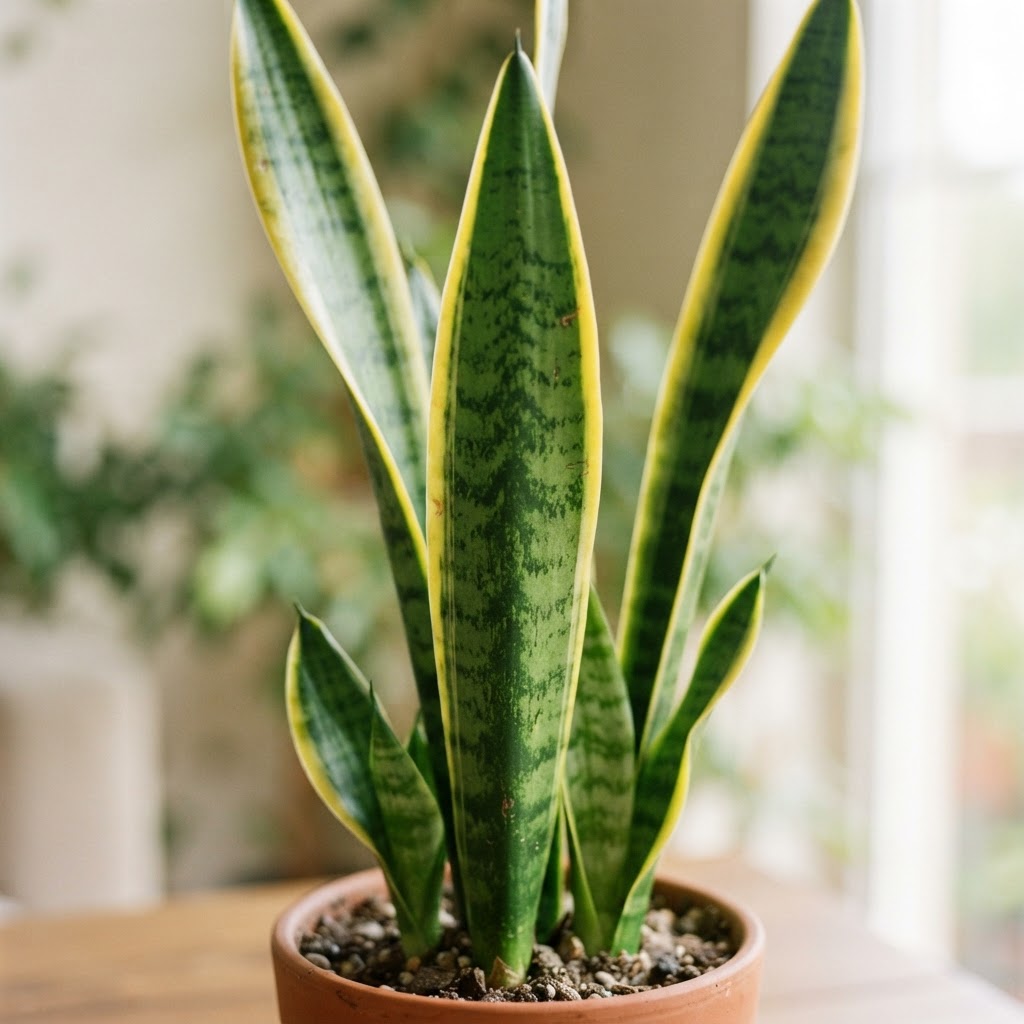
Snake plants are among the easiest plants to propagate. Learn two methods — leaf cuttings and division — with tips for preserving variegation.
Propagating Snake Plants: An Overview
Snake plants (Dracaena trifasciata, formerly Sansevieria) are incredibly tough, architectural plants that are surprisingly easy to propagate. There are two main methods: leaf cuttings in soil and division.
Method 1: Leaf Cuttings in Soil
This is the most common method and allows you to create many new plants from a single leaf.
What You'll Need
- A healthy snake plant
- Clean, sharp knife or scissors
- Roots Down Propagation Gel
- Roots Down Root Booster
- Well-draining potting mix (cactus/succulent blend)
- Small pots with drainage holes
Step-by-Step
Step 1: Select a Healthy Leaf
Choose a tall, firm, healthy leaf with no damage or discoloration. The leaf should be at least 4-6 inches tall.
Step 2: Cut the Leaf
Using a clean, sharp knife, cut the leaf near the base where it meets the soil. Make a straight cut.
Step 3: Cut Into Sections
Cut the leaf into 2-3 inch sections. Important: Note which end was facing down (the base) and which was facing up. If you plant them upside down, they won't root.
A helpful trick: cut the bottom of each section at a 45-degree angle and the top straight across, so you can easily tell them apart.
Step 4: Apply Rooting Gel
Dip the bottom (base) end of each section into Roots Down Propagation Gel. This stimulates root development and protects the cut end from infection.
Step 5: Let Them Callus
Place the sections on a paper towel and let them dry for 1-2 days. This allows the cut ends to callus over, which prevents rotting when planted.
Step 6: Plant in Soil
Fill small pots with well-draining cactus/succulent mix. Insert each section about 1 inch deep, base-end down. Firm the soil gently around the cutting.
Step 7: Maintain and Wait
- Water sparingly — Only water when the soil is completely dry. Overwatering is the #1 cause of failure
- Light: Bright, indirect light
- Temperature: 70-80°F (21-27°C)
- Misting: Lightly mist with plain water every week
- Patience: Snake plants root slowly — expect 4-8 weeks
Method 2: Division
Division is faster and preserves the plant's variegation (leaf patterns), which leaf cuttings may not.
Step-by-Step
- Remove the plant from its pot
- Gently separate the root ball into sections, ensuring each section has roots and at least one leaf
- Use a clean knife to cut through thick roots if needed
- Plant each section in its own pot with fresh soil
- Water lightly and keep in bright, indirect light
Important Notes on Variegation
If your snake plant has variegated leaves (like the popular 'Laurentii' variety), leaf cuttings may produce plain green offspring. This is because the variegation is a genetic trait that isn't always passed on through leaf propagation.
To preserve variegation, use division instead.
Signs of Successful Rooting
- New growth emerging from the soil
- The cutting feels firm and anchored when gently tugged
- A new pup (small shoot) appears at the base
Common Problems
The leaf section rotted
Too much water. Snake plants are succulents — they prefer dry conditions. Water only when the soil is completely dry.
No rooting after 8 weeks
Be patient — snake plants are slow rooters. Ensure the temperature is warm enough and apply Roots Down Propagation Gel to stimulate growth.
The cutting is mushy
Rot has set in. Unfortunately, the cutting is lost. Start over with a fresh cutting and let it callus before planting.
Pro Tips
- Propagate in spring or summer for best results
- Let cuttings callus — This is the most important step for snake plants
- Use a cactus/succulent mix — Regular potting soil retains too much water
- Don't overwater — This kills more snake plant cuttings than anything else
- Use Mother's Mist for nutrient support once roots establish
Ready to Propagate?
Get your Roots Down Propagation Gel and start multiplying your snake plant collection. For more on soil propagation techniques, see our soil propagation guide.